





Climate Tech Portfolio Fund IV
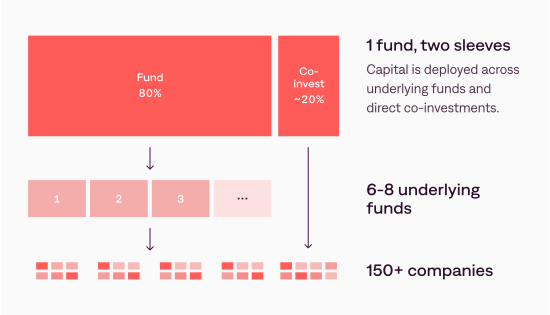
Invest in 6-8 top-tier VC and PE funds and 8-12 co-investments funds focused on breakthrough climate technologies. Backing early and growth-stage companies across energy, industry, food and transport. Majority exposure in North America (60%) with additional coverage in Europe (40%).
What you invest in
One investment, 150+ companies across 6–8 leading funds and 8–12 co-investments in North America and Europe.
What you invest in
One investment, 150+ companies across 6–8 leading funds and 8–12 co-investments in North America and Europe.
- Back category leaders across clean power, electrification, AI and data centers, critical minerals, robotics, and resilience.
- One investment gives you access to 6-8 institutional-grade funds — the kind that usually require millions to invest in directly. Two are committed: Energy Impact Partners Frontier II and Activate Capital Fund III.
- A mix of venture capital, growth equity, and buy-out. So your capital backs both earlier-stage companies and mature, cash-generating ones.
- Plus up to 20% in direct co-investments into standout companies across all the funds we work with. The first three are in: Fervo Energy (geothermal), XNRGY (data center cooling) and Harbinger (electric trucks).
Key data & documents
Core characteristics of the fund’s return profile, structure, and scope.
Key data & documents
Core characteristics of the fund’s return profile, structure, and scope.
Is this fund right for you?
For strategic investors looking for higher return potential and institutional-grade access to private energy, industry, and materials companies.
Is this fund right for you?
For strategic investors looking for higher return potential and institutional-grade access to private energy, industry, and materials companies.- A more growth-focused private markets strategy, aimed at strong risk-adjusted returns.
- Access to top funds usually closed to individual investors, across the US and Europe.
- A hands-off investment, where we pick the funds, build the portfolio, and keep you informed.
- To back the next era of energy, industry, and materials — for yourself, or for the next generation.
- You need early access to your capital, or can't meet capital calls spread over the first 3-4 years.
- You want to avoid a second layer of fees. Co-Invest Fund I invests directly in companies and carries one fee layer.
Why invest now
Electrification, strategic independence, and the age of AI are reshaping our global economy. Each is powerful alone. Together, they compound.
Why invest now
Electrification, strategic independence, and the age of AI are reshaping our global economy. Each is powerful alone. Together, they compound.


 Q&A: Climate Tech Portfolio Fund IV
Get an inside look at the investment case behind three of our portfolio companies, straight from the team that invested in them.
Register now
Q&A: Climate Tech Portfolio Fund IV
Get an inside look at the investment case behind three of our portfolio companies, straight from the team that invested in them.
Register now
 Why we invested in Fervo Energy, Harbinger and Reverion
Get an inside look at the investment case behind three of our portfolio companies, straight from the team that invested in them.
Watch the recording
Why we invested in Fervo Energy, Harbinger and Reverion
Get an inside look at the investment case behind three of our portfolio companies, straight from the team that invested in them.
Watch the recording
 Live Q&A: Climate Tech Portfolio Fund IV first close
Benieuwd hoe CTPF IV precies werkt? Sluit aan bij onze interactieve Q&A en krijg direct antwoord op jouw vragen van het team achter het fonds.
Bekijk de opname
Live Q&A: Climate Tech Portfolio Fund IV first close
Benieuwd hoe CTPF IV precies werkt? Sluit aan bij onze interactieve Q&A en krijg direct antwoord op jouw vragen van het team achter het fonds.
Bekijk de opname

 7 min read
How the “Electrotech Revolution” reframes the energy debate (and why we’re here for it)
Ember’s new report, The Electrotech Revolution, reframes the energy transition as more than a climate issue. It’s a story of physics, economics, and geopolitics converging to create a better, cheaper, and more efficient energy system.
Read more
7 min read
How the “Electrotech Revolution” reframes the energy debate (and why we’re here for it)
Ember’s new report, The Electrotech Revolution, reframes the energy transition as more than a climate issue. It’s a story of physics, economics, and geopolitics converging to create a better, cheaper, and more efficient energy system.
Read more
 10 min read
10 Mind-blowing Climate Technologies You’ve Never Heard About
Meet the 10 breakthrough companies, all part of our funds, turning CO₂ into jet fuel, iron into batteries, and bacteria into cement.
Read more
10 min read
10 Mind-blowing Climate Technologies You’ve Never Heard About
Meet the 10 breakthrough companies, all part of our funds, turning CO₂ into jet fuel, iron into batteries, and bacteria into cement.
Read more
Fees & terms
An overview of Carbon Equity's fees and the underlying fund managers' fees
Fees & terms
An overview of Carbon Equity's fees and the underlying fund managers' feesManagement fee
The annual fee paid to Carbon equity, tiered based on commitment size.
| commitment size | management fee |
|---|---|
| Below €100K | 1.00% |
| €100K – <€250K | 0.95% |
| €250K – <€1M | 0.85% |
| €1M – <€2.5M | 0.75% |
| €2.5M – <€10M | 0.60% |
| €10M - <€20M | 0.50% |
| Above €20M | 0.40% |
Setup fee & fund expenses
One-off setup fee plus capped fund expenses.
Underlying fund expenses
Investments
Take a look at the existing co-investments and investments already made by the underlying fund managers
Investments
Take a look at the existing co-investments and investments already made by the underlying fund managers
Frontier Fund II
managed by EIP · 3 companies

 Venture
Energy & Industry
Venture
Energy & Industry
-
 Emerald AI
-
 Humble Robotics
-
 Ayr Energy
managed by EIP · 3 companies
Emerald AI
Humble Robotics
Ayr Energy
-
01
Emerald AI ↗
Software to curb data-center energy demand
BuildingsSeedUnited States -
02
Humble Robotics ↗
Autonomous electric freight trucks
TransportSeedUnited States -
03
Ayr Energy ↗
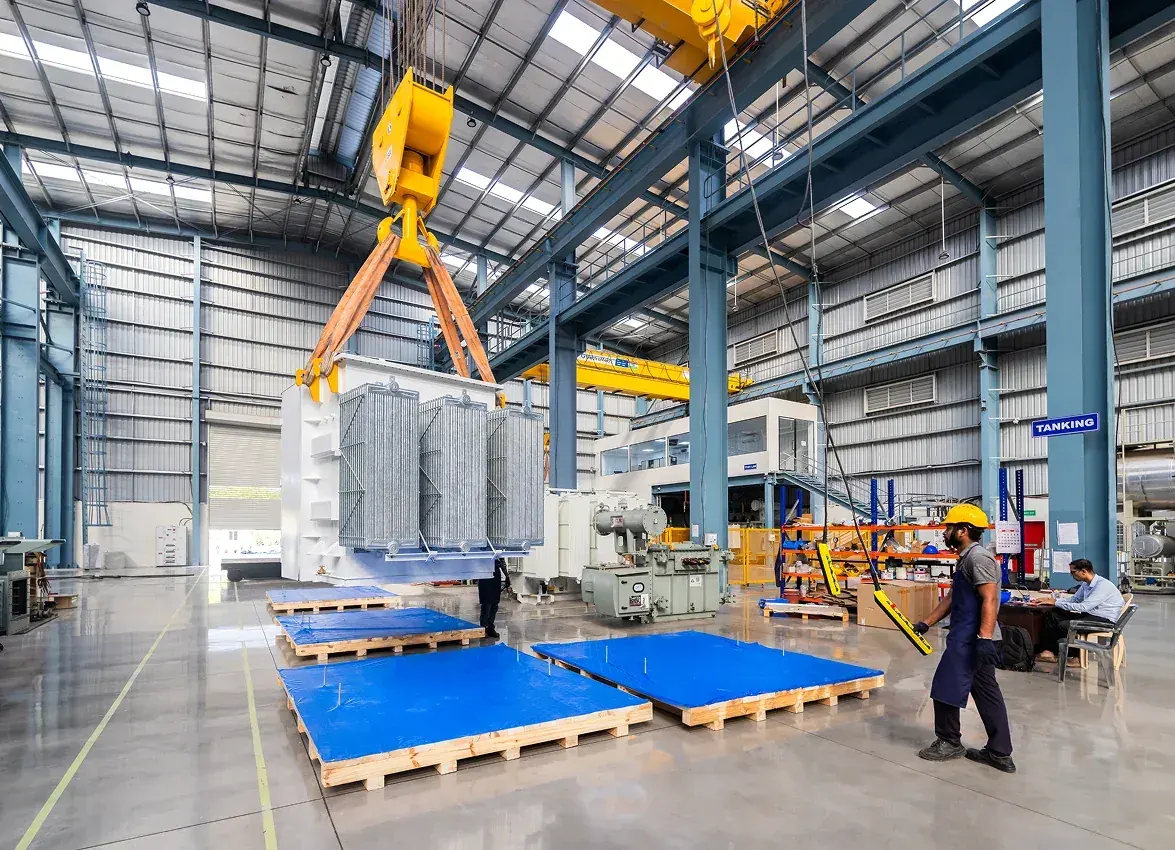
Power grid equipment manufacturer
EnergySeries AUnited States
Activate Capital Fund III
managed by Activate Capital · 7 companies
 Growth equity
Climate technology
Growth equity
Climate technology
-
 Muon Space
-
 XNRGY
XNRGY
-
 Crusoe
managed by Activate Capital · 7 companies
Muon Space
XNRGY
Crusoe
-
01
Muon Space ↗
Satellite constellations for earth observation data
EnablersSeries BUnited States -
02
XNRGY ↗
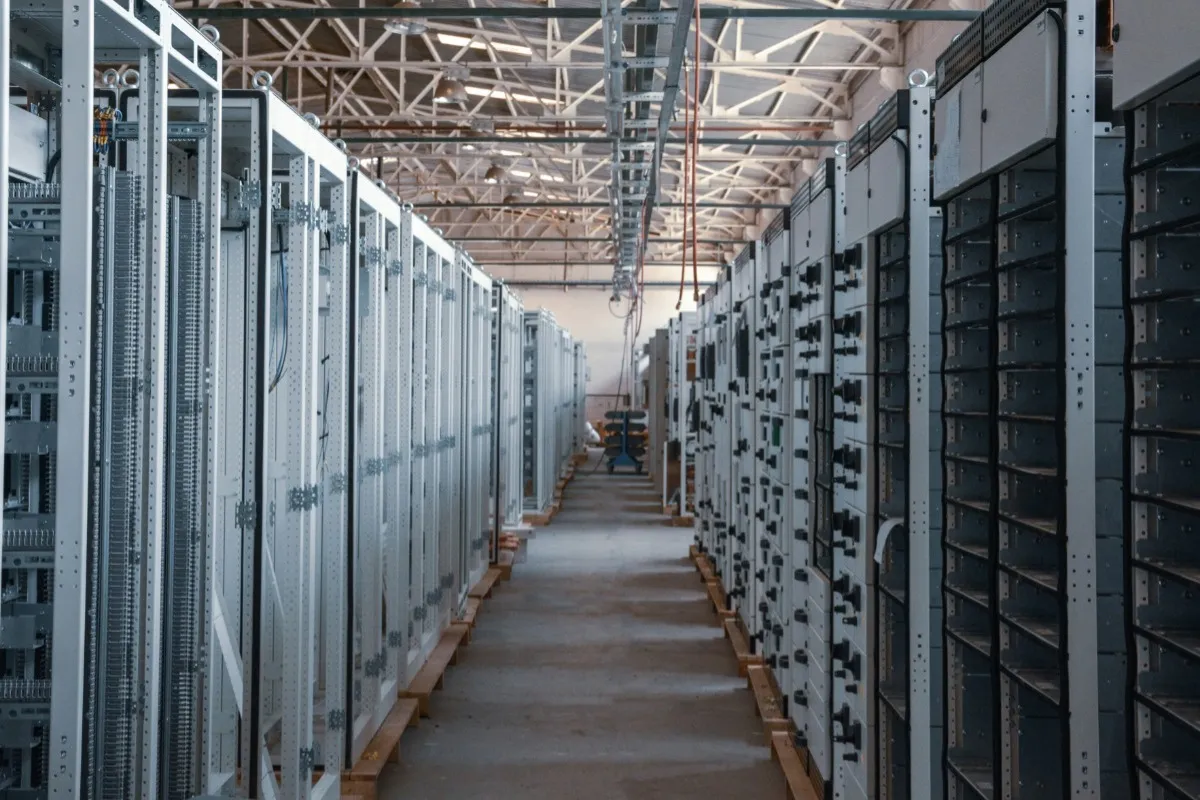
Cooling solutions for data centers
BuildingsSeries BCanada -
03
Crusoe ↗
Next-gen AI infrastructure
BuildingsSeries DUnited States -
04
 Jetson ↗
All-electric heat pump systems for homes
BuildingsSeries AUnited States -
05
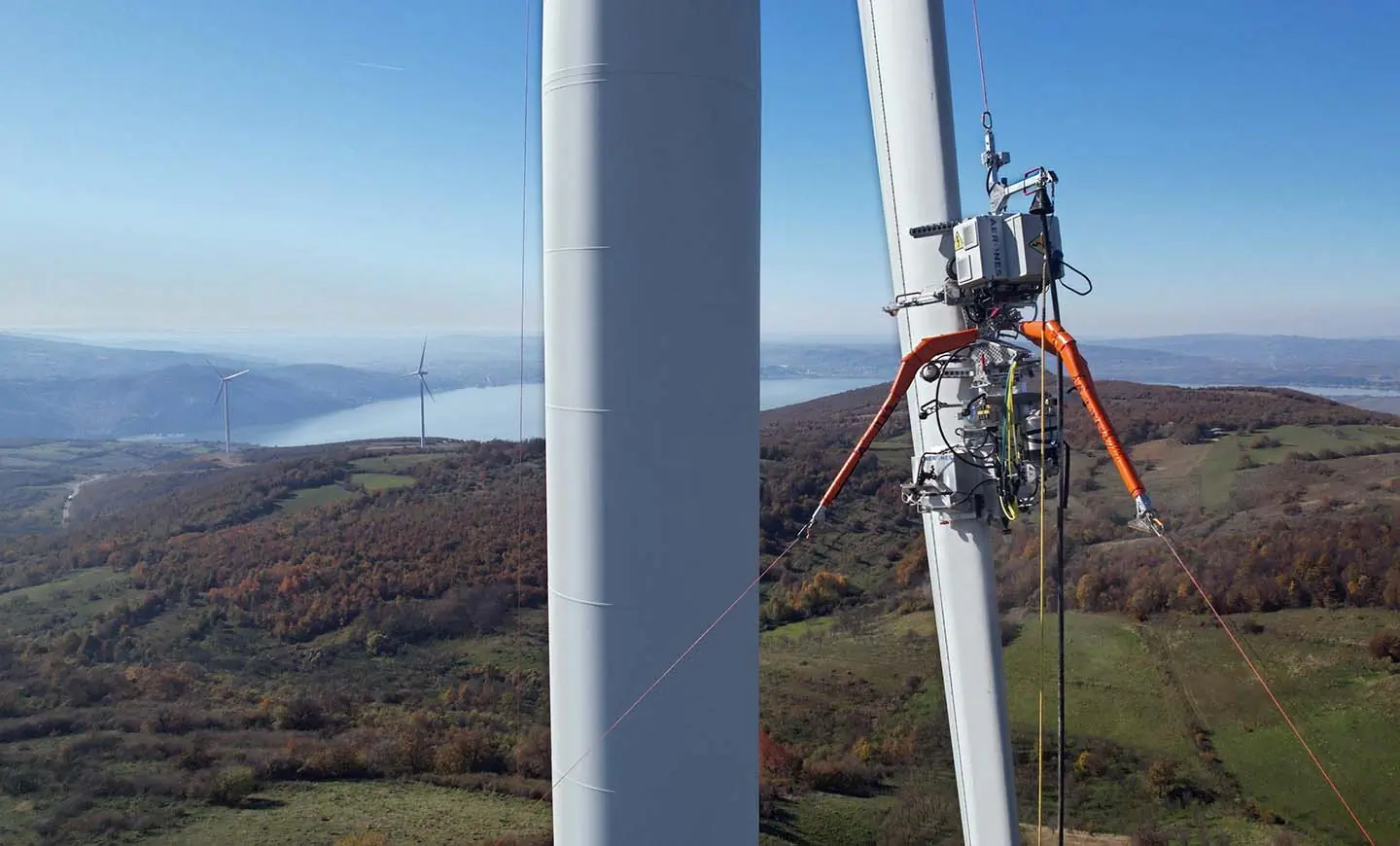 Aerones ↗
Robotized maintenance of wind turbines
IndustrySeries BLatvia -
06
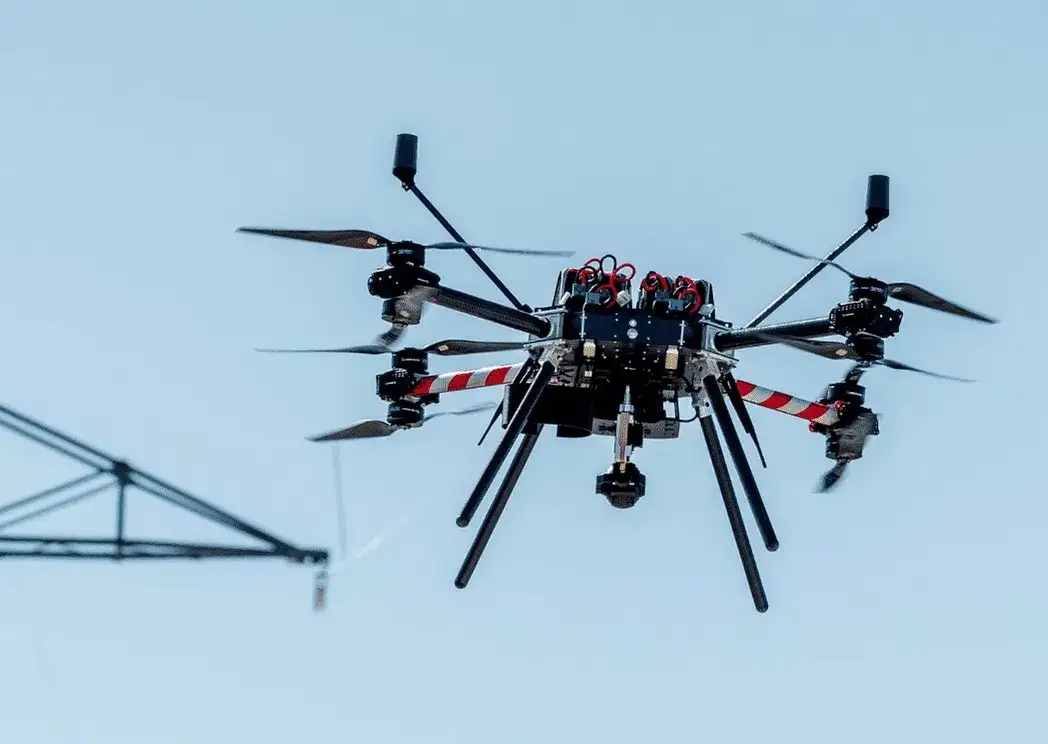 Infravision ↗
Robots to string grid transmission lines
EnablersSeries BUnited States -
07
 Starfish Space ↗
Satellite servicing
IndustrySeries BUnited States
Carbon Equity
managed by XNRGY Co-investment · 1 company
 Series B
-
XNRGY
managed by XNRGY Co-investment · 1 company
XNRGY
-
01
XNRGY ↗
Cooling solutions for data centers
BuildingsSeries BCanada
Carbon Equity
managed by Harbinger Co-investment CTPF IV · 1 company
 Series C
Climate Technology
Series C
Climate Technology
-
 Harbinger
managed by Harbinger Co-investment CTPF IV · 1 company
Harbinger
-
01
Harbinger ↗
EV manufacturer for mid-sized vehicles
TransportSeries CUnited States
Carbon Equity
managed by Fervo Energy Co-investment · 1 company
 Series E
-
 Fervo Energy
managed by Fervo Energy Co-investment · 1 company
Fervo Energy
-
01
Fervo Energy ↗
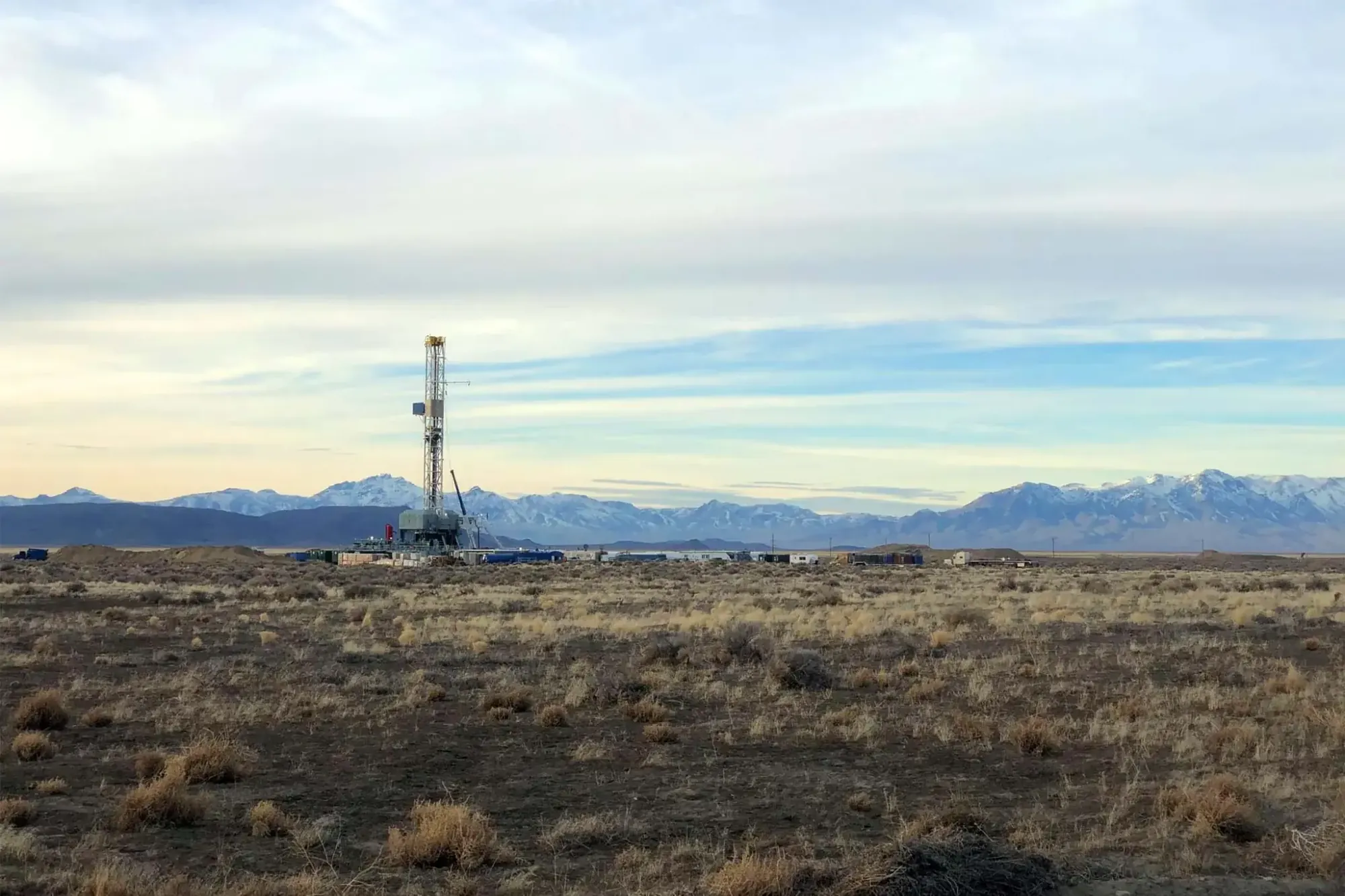
FERVO is building the world’s largest enhanced geothermal plant.
EnergySeries EUnited States

Q&A: Climate Tech Portfolio Fund IV


Frequently asked questions
-
How does Carbon Equity select funds?

We run a rigorous, multi-stage process to identify the small number of funds that meet our bar on both climate impact and financial returns. Each fund goes through four stages of due diligence:
- Quickscan. An initial assessment of how committed a fund is to impact, looking at its mandate, thesis, minimum impact threshold, track record, and intentionality.
- Climate due diligence. A deep assessment scoring the fund against global best practice on 15 specific criteria across ten topics.
- Financial due diligence. A deep dive into the fund's strategy, team, processes, and prior investments to ensure a satisfactory risk and return profile.
- Environmental, social, and governance assessment. A review of the fund manager's policies and performance, including alignment with the European Union's Sustainable Finance Disclosure Regulation.
Funds that clear all four stages are presented to our Investment Committee, where approval requires a unanimous decision. Less than 5% of the funds we review make it through.
-
What is a fund of funds and how does Carbon Equity's structure work?
A fund of funds is an investment fund that invests in other funds rather than directly in companies. Instead of picking individual companies yourself, you commit capital to one fund, which then allocates that capital across a selected group of underlying funds. Each of those underlying funds invests in companies on your behalf.
The main benefit is diversification. Through a single commitment, you gain exposure to multiple underlying funds and their companies, managed by specialists across different strategies and sectors. This spreads risk in a way that would be impossible to replicate as an individual investor, both because top funds require institutional ticket sizes and because doing your own due diligence on each one would take years of work.
The trade-off is an additional layer of fees. Underlying fund managers charge their own management fee, typically around 2% per year for venture capital and private equity and 1.5% for infrastructure, plus carried interest of around 20% on profits above a defined threshold. Carbon Equity's own management fee sits on top of that, in exchange for selecting the funds, building the portfolio, handling reporting, and taking on the administrative burden.
Most Carbon Equity funds use the fund-of-funds structure, including Climate Tech Portfolio Fund IV, Climate Infrastructure Fund I, Energy Transition Debt Fund I and Access to Climate Tech Fund II. The Co-Investment Fund I is structured differently. It invests directly in companies alongside our partner fund managers, removing the underlying fee layer.
Each linked fund page details the structure, fees, and what you actually invest in.
-
What do cash flows typically look like for a Carbon Equity fund?
Cash flows in a Carbon Equity fund move in two directions over time.
In the early years, the flow is mostly outward. Depending on how much you commit, you will either pay a single upfront capital call or have several capital calls spread over the first few years as the underlying funds make new investments.
The flow reverses as the underlying funds begin exiting companies, typically from around year 5 onward. Proceeds from those exits are distributed to you periodically. On average, you can expect to have received distributions equal to your initial investment within 5 to 7 years, with profits arriving in the years that follow.Taken together, this pattern is known as the J-curve. Returns are negative in the early years because capital is being deployed and management fees are being paid before the portfolio has had time to mature. As investments mature and exits start to happen, returns turn positive and accelerate, producing the upward arc of the J.
The exact shape varies by fund. Climate Infrastructure Fund I and Energy Transition Debt Fund I distribute cash earlier than our venture and private equity funds, because infrastructure projects generate revenue while operating and debt funds receive regular interest payments. Each fund page indicates when distributions are typically expected.
-
Can I request to qualify as a professional investor?
A professional investor is someone who, under European financial regulations, is considered to have the experience and financial capacity to make informed investment decisions without the same level of regulatory protection as retail investors.
Yes, you can request to qualify as a professional investor with Carbon Equity by meeting specific criteria related to your financial portfolio, professional experience, and transaction history. You can learn more on our professional opt-up page.
Because professional investors operate with fewer regulatory protections, regulations allow us to offer them more flexible terms:- A lower minimum investment than the standard ticket size for each fund.
- A smaller first capital call, expressed as a percentage of your commitment rather than a fixed minimum amount.
If you would like to discuss whether qualifying as a professional investor is right for you, please get in touch with our team.
-
How and when do I need to transfer my investment?
After you finalise your subscription to a fund, you will receive your first capital call. A capital call is the request to transfer (a part) your committed investment amount.
The first payment is specific to your commitment, country and investor type, and as estimation of your expected capital calls can always be seen in your investor dashboard. After you receive this notification, you have 21 days to transfer the amount. If applicable, the remainder of your commitment will be called over roughly 5 years in semi-annual instalments which depend on the expected calls from underlying funds (e.g. roughly 5-10% of the commitment will be drawn every 6 months). -
How is my investment treated for tax purposes?
All Carbon Equity funds are treated as non-transparent (or opaque) for Dutch tax purposes. The funds qualify as a fiscal investment institution (fiscale beleggingsinstelling), to ensure that there is no taxation at the level of the fund but only in the hands of the investor. This has been confirmed with the Dutch tax authorities. For Dutch individuals, the investment is taxed in ‘Box 3’ as an investment (overige bezitting). Dutch companies who invest into a fund are taxed on profits from their investment when they are realised.
For Belgian and German residents, the investment is typically taxed on distributions in your home jurisdiction. Tax treatment depends on personal circumstances and local rules, so we recommend consulting a tax advisor in your country before investing.
Non-Dutch investors should consult their own tax counsel before making an investment. -
What are the steps to complete my investment?
Investing with Carbon Equity is easy and can be completed fully digitally:
- Explore our funds on the website, or book a call with our team to talk through your options.
- Create an account on our platform.
- Reserve your investment. This is a non-binding step that lets you continue onboarding.
- Complete your onboarding and sign your subscription form. This confirms your commitment.
- Receive your first capital call after the next close of the fund.